
— Equipment
The instruments a foundry runs on.
A sand lab usually starts with a handful of instruments, and those are set out first. The rest of the range is no less important once the lab is working, and for most foundries it is what they come back for. Everything is designed and built at the plant in Kolhapur.
01 Where most labs start
Universal Strength Machine
Green and dry compression, plus transverse, shear and tensile with attachments – the core bench of any sand lab.
See itActive Clay Tester
Active clay by the methylene blue method, titrated automatically with the halo imaged at every addition. Read by software with the VMBD-AI licence.
See itHot Distortion Curve
The hot distortion curve of a resin-bonded sand as it is heated – how the mould holds as the metal arrives.
See itCore Gas Evolution
Volume and rate of gas a core gives off, recorded as an evolution curve, so gas defects can be traced to the binder.
See itTest Sieves
NPL-traceable AFS sieve sets and the shaker that grades the sand for grain fineness and distribution.
See it02 The rest of the range
Past the first bench, the range keeps going.
The instruments above are where most sand labs start. Behind them stands the rest of the catalogue, and for a foundry already running it usually matters more: the kits for whichever sand is in use, specimen making, accessories and attachments, and the spares that keep a machine in service for years. Products are listed under every sand they suit, so the counts below overlap.
By the sand you run
By what the job needs
03 Online & autonomous
When the bench moves to the line.
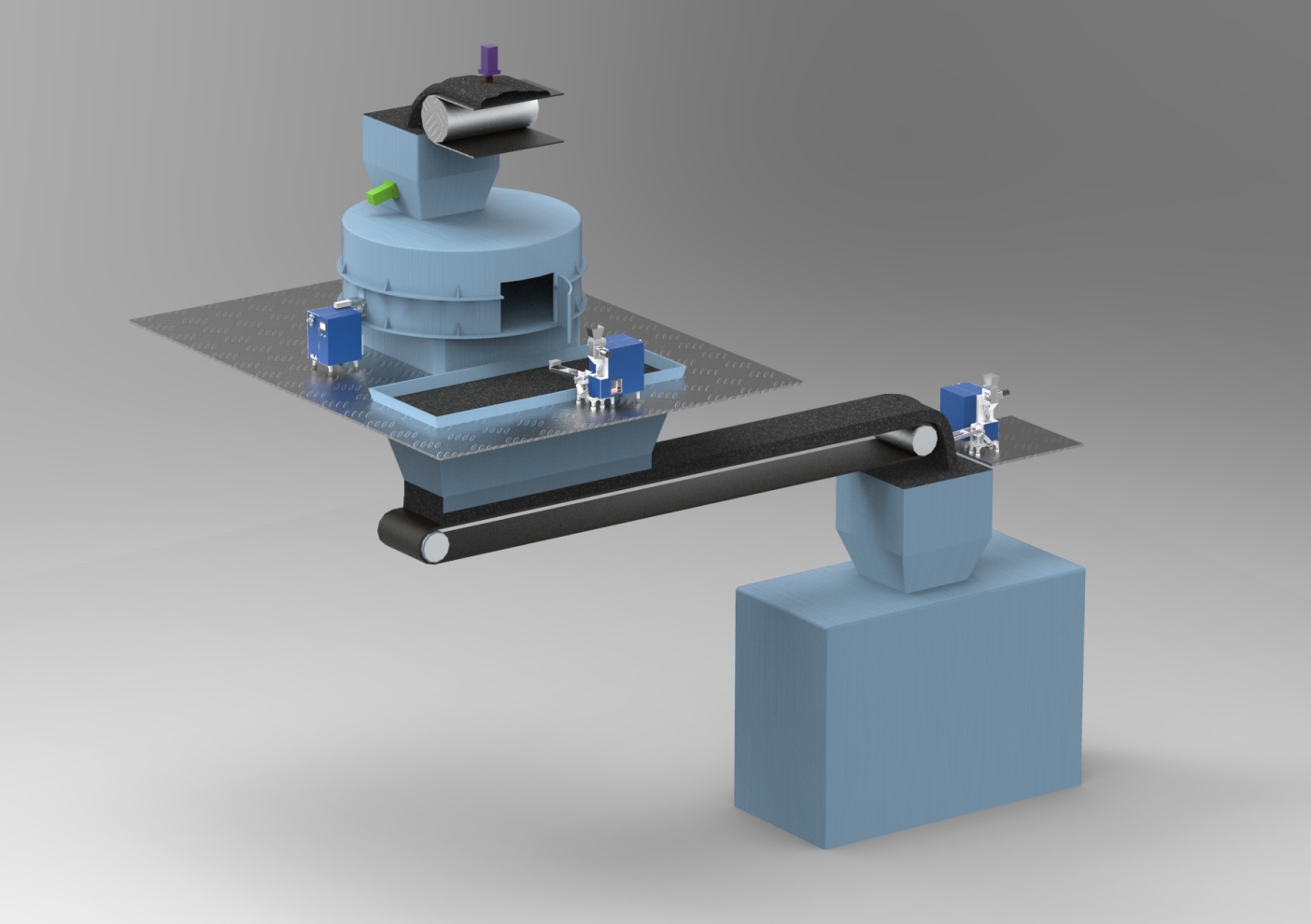
V-CAT online control
The bench moves to the line: V-CAT measures the return sand and controls the muller, correcting the sand before the next mould is made rather than after the casting is scrapped.
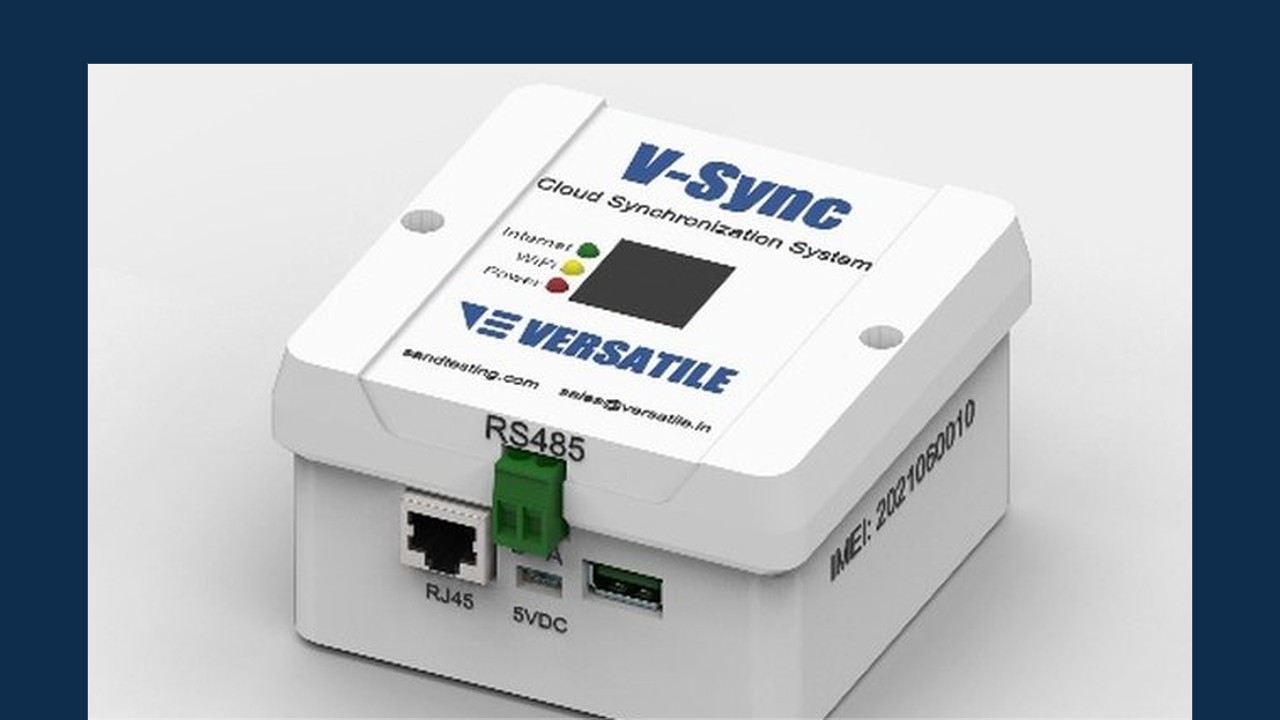
VSync data platform
The lab instruments send their readings up on their own, so a shift’s results are read from an office or a phone instead of copied into a register – with SPC, capability and rejection analysis on top.
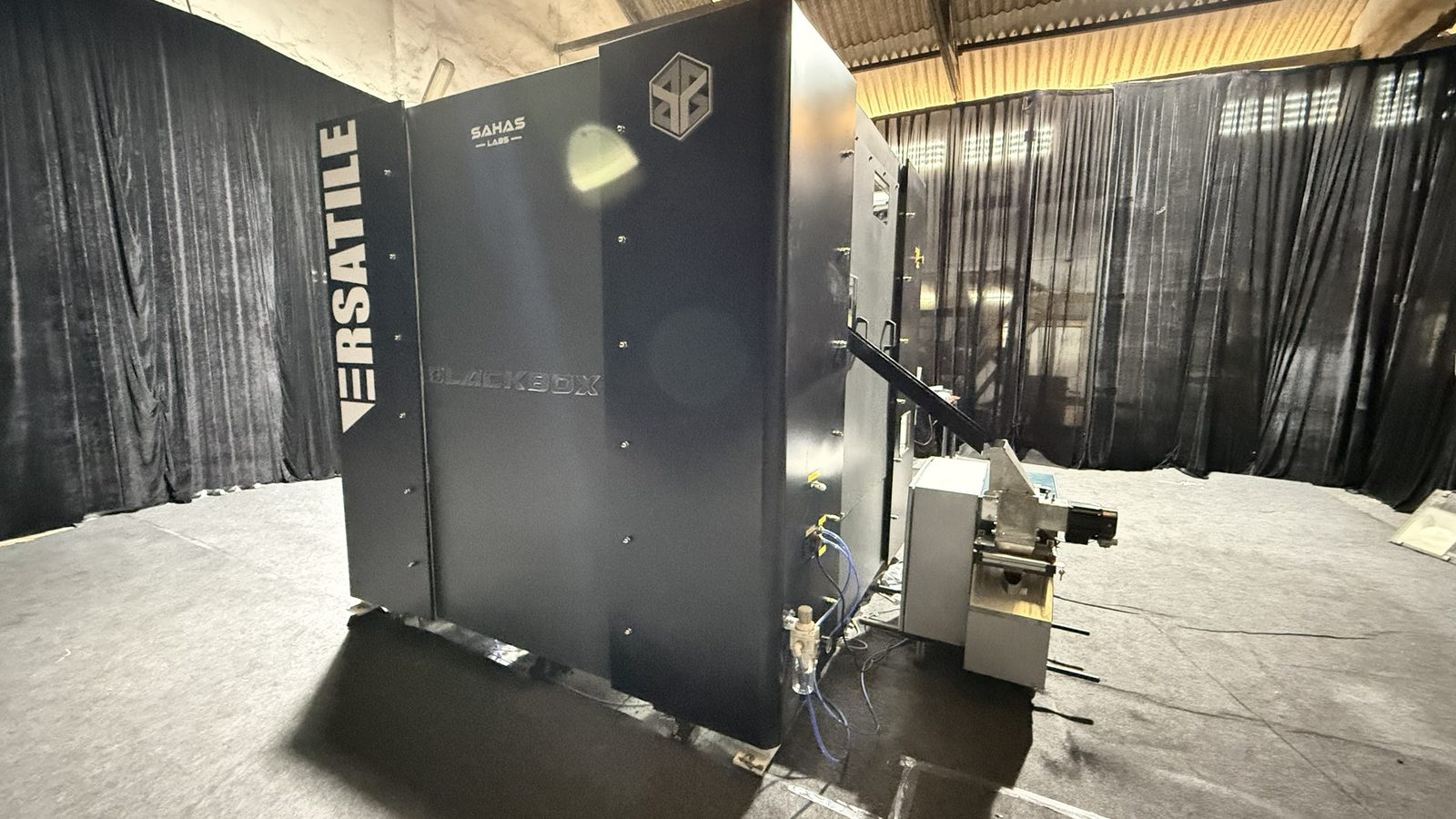
BlackBox autonomous lab
A cabinet that runs the sand lab on its own: it draws a sample, runs the tests, records the results and keeps going through the shift.
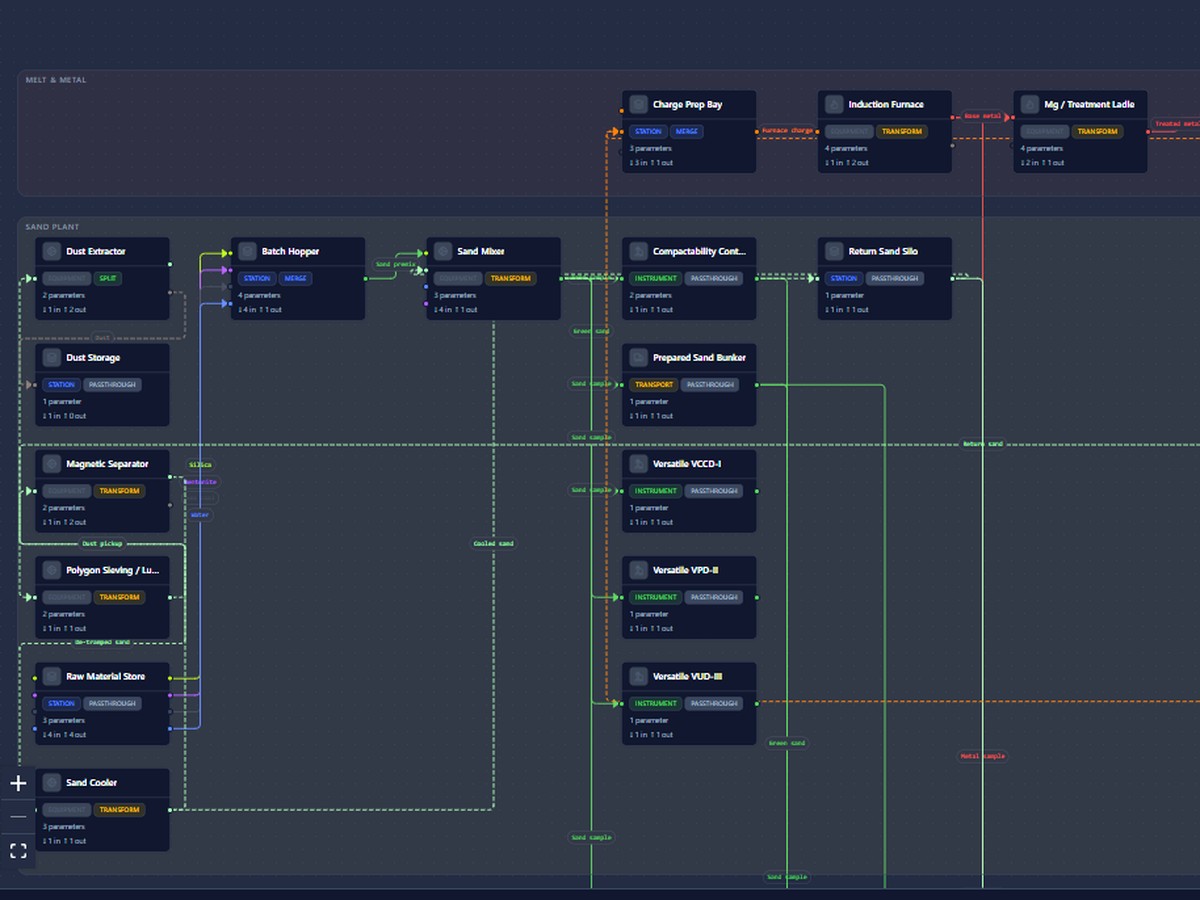
Sahas Labs digital twin
Beyond any single machine sits the plant itself. Sahas Labs keeps a working model of the process, fed by the controls already running on the line, so the sand, the moulds and the metal are read as one picture rather than a dozen separate ones.
Not sure which instrument the test needs?
Tell us the casting and the defect. The calibration guides at cal.sandtesting.org cover the methods, and the right person in the group will point you at the instrument that measures it.